
If you've spotted unusual dirt piles in your yard, you might be dealing with fire ants—one of the most persistent pests in Central Texas. These aggressive insects can turn a peaceful afternoon outdoors into a painful experience, making it essential to know what you're up against and how to protect your property.
Dealing with fire ant mounds on your property? Don't risk painful stings. Call (512) 714-3383 or fill out our online contact form to schedule an inspection today.
What Are Fire Ant Mounds?
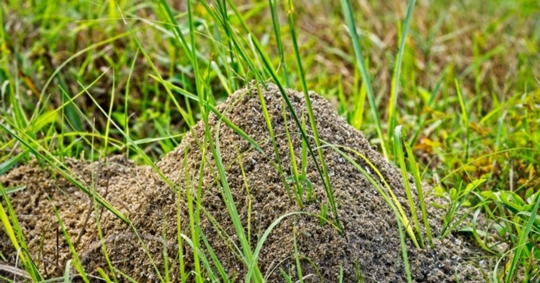
Fire ant mounds are the visible portion of an extensive underground colony where thousands of fire ants live and breed. Unlike anthills from other species that have a central opening, fire ant mounds appear as irregular dome-shaped piles of loose, fluffy soil with no obvious entry hole on top. These mounds can range from a few inches to over two feet in diameter and may reach heights of 18 inches or more in favorable conditions.
The mound itself serves as a protective covering for the colony's underground tunnel system, which can extend several feet deep and wide. A single colony can contain 100,000 to 500,000 ants, with one or more queen ants producing thousands of eggs daily. The lack of a visible entrance helps protect the colony from predators and flooding, as fire ants access their mound through underground tunnels that connect to the surface away from the mound itself.
How to Identify Fire Ant Mounds in Your Yard
Recognizing fire ant mounds early can help you address the problem before colonies grow larger and more difficult to manage. Here are the key characteristics to look for:
Physical Appearance
Fire ant mounds have a distinctive look that sets them apart from other ant hills. The soil appears loose and crumbly, almost like fresh potting soil that's been piled up. The mound typically has an irregular, flattened dome shape rather than a perfect cone. Most notably, you won't see a hole at the top of the mound, which is different from many other ant species.
Common Locations
Fire ants prefer to build their mounds in open, sunny areas where the soil retains warmth. You'll often find them in:
- Lawns and grassy areas, especially near sidewalks or driveways
- Gardens and landscaped beds with moist soil
- Along fence lines or property edges
- Near outdoor electrical equipment or HVAC units
- Under objects like rocks, logs, or landscape timbers
Ant Behavior
If you're still unsure whether a mound belongs to fire ants, observe the ants themselves. Fire ants are small, ranging from 1/8 to 1/4 inch long, and vary in color from reddish-brown to reddish-black. When their mound is disturbed, fire ants emerge quickly and aggressively in large numbers. They climb rapidly and attack in swarms, which is very different from the slower, more docile behavior of native ant species.
Why Fire Ant Mounds Are a Problem
Fire ants aren't just a nuisance—they pose real threats to your family, pets, and property. Understanding these risks can help you prioritize addressing fire ant infestations promptly.
Health and Safety Concerns
Fire ants are named for the burning sensation their stings create. When threatened, they latch onto skin with their jaws and inject venom through a stinger at their abdomen, often stinging multiple times in a circular pattern. Each sting produces a painful, itchy welt that typically develops into a white pustule within 24 hours. For most people, stings are extremely uncomfortable but not dangerous. However, some individuals may experience severe allergic reactions that require immediate medical attention.
Children and pets are particularly vulnerable because they may not recognize the danger until fire ants are already swarming. Even a brief encounter with a fire ant mound can result in dozens of painful stings.
Property Damage
Beyond the health risks, fire ants can damage your property in several ways. Their mounds create unsightly patches in otherwise pristine lawns and can damage lawn equipment when mowed over. Fire ants are also attracted to electrical equipment and have been known to cause short circuits in HVAC units, outdoor lighting, and irrigation systems. In gardens, they can harm plants by disturbing roots and protecting plant-damaging insects like aphids, which they farm for their sweet secretions.
DIY Fire Ant Control: What Works and What Doesn't
Many homeowners try to tackle fire ant problems on their own before calling professionals. While some DIY methods can provide temporary relief, it's important to understand their limitations.
Store-Bought Products
Retail fire ant products generally fall into three categories: broadcast baits, mound treatments, and contact killers. Broadcast baits are granules scattered across your lawn that worker ants carry back to the colony. These can be effective for reducing fire ant populations over time, but they work slowly and require multiple applications. Mound treatments are applied directly to individual mounds and can eliminate specific colonies, though you must treat every mound on your property for comprehensive control. Contact sprays kill ants on impact but rarely reach the queen deep in the colony, meaning the colony typically survives and rebuilds.
Home Remedies to Avoid
You may have heard about various home remedies for fire ants, but most are ineffective or even counterproductive. Pouring boiling water on mounds can kill some ants, but it rarely eliminates the entire colony and may damage your lawn or nearby plants. Gasoline or other petroleum products are dangerous, illegal in many areas, and harmful to the environment. Digging up mounds causes the colony to relocate elsewhere in your yard. Club soda, grits, instant oatmeal, and similar remedies sound appealing but don't actually work—they're based on myths rather than science.
Professional Fire Ant Control Options
For lasting results, professional treatment offers significant advantages over DIY approaches. Pest control experts understand fire ant biology and behavior, allowing them to target colonies more effectively.
Professional services typically begin with a thorough inspection to identify all active mounds and assess the extent of the infestation. Technicians use professional-grade products that aren't available to consumers—these treatments are typically more effective and longer-lasting than retail options. Many pest management companies offer ongoing monitoring and maintenance programs that prevent new colonies from establishing on your property.
Treatment methods vary based on your specific situation, but often combine different approaches for maximum effectiveness. Baiting programs target entire colonies by using the ants' own foraging behavior against them. Individual mound treatments eliminate specific problem colonies quickly. Broadcast treatments create a protective barrier across your entire property to prevent new infestations.
Preventing Future Fire Ant Infestations
Once you've addressed existing fire ant mounds, taking preventive steps can help keep your property fire ant-resistant.
Lawn and Landscape Maintenance
Keeping your lawn healthy and well-maintained makes it less attractive to fire ants. Mow regularly and water deeply but infrequently to encourage deep root growth rather than shallow roots that are easier for ants to disrupt. Remove debris like logs, rocks, and lumber piles where colonies might establish. Trim vegetation away from your home's foundation to eliminate potential nesting sites.
Regular Monitoring
Even after treatment, new fire ant colonies can move into your yard from neighboring properties. Walk your property regularly, especially during spring and fall when fire ants are most active. Look for new mounds in areas where you've had problems before. Address any new mounds quickly before they grow large.
Working With Your Neighbors
Fire ants don't respect property lines, so coordinating with neighbors to manage fire ants across multiple properties can improve results for everyone. If your neighbor has untreated fire ant colonies, your property will face constant pressure from new ants moving in.
Understanding Fire Ant Life Cycles in Central Texas
Knowing when fire ants are most active helps you time treatments for maximum effectiveness. In Central Texas, fire ants are active year-round but change their behavior with the seasons.
During spring and fall, when temperatures are mild, fire ants are most active near the surface. This makes these seasons ideal for bait treatments, as worker ants are actively foraging and will readily carry bait back to the colony. Summer heat drives fire ants deeper underground during the day—they typically forage in early morning or evening when temperatures cool. Winter doesn't kill fire ants in Texas, but it does slow their activity. Colonies remain active underground and will emerge on warm winter days.
Understanding these patterns helps explain why you might see fewer mounds in summer (they're just deeper underground) or why spring and fall require more vigilant control efforts.
What to Expect from Professional Treatment
If you're considering professional fire ant control, knowing what to expect can help you prepare.
Most companies begin with an initial inspection to map out all colonies and assess the severity of the infestation. The technician will explain which treatment methods they recommend for your specific situation. Initial treatments often combine multiple approaches to knock down existing populations quickly. You may see results within 24 to 72 hours for individual mound treatments, while bait programs typically show results within one to two weeks.
Follow-up visits ensure treatments remain effective and address any new colonies that appear. Many companies guarantee their work, offering to retreat if fire ants return within a specified period. Your technician should provide guidance on what you can do between visits to maintain a fire ant-free yard.
Get Professional Help for Fire Ant Mounds
Fire ants are more than just a backyard annoyance—they're a persistent threat that requires strategic management. Whether you've discovered your first mound or you're dealing with a recurring problem, professional treatment can provide the thorough, lasting results that DIY methods often can't match. Don't let fire ants keep you from enjoying your outdoor space. A-Tex Pest Management has the expertise and professional-grade solutions to protect your Austin-area property from these aggressive pests.
Ready to reclaim your yard? Call (512) 714-3383 or complete our online contact form to schedule your fire ant inspection