
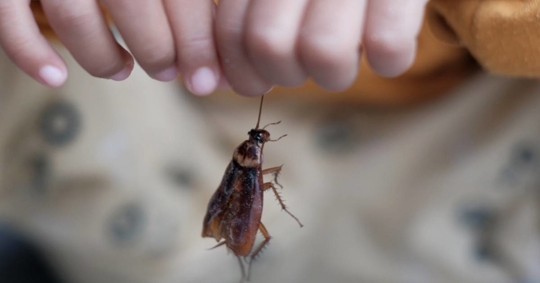
You might think that when temperatures drop in Austin, cockroaches disappear along with the summer heat. Unfortunately, that's not the case. While many pests become less active during winter months, cockroaches continue to thrive, and they're often looking for the same thing you are: a warm place to spend the cold season.
Don't let cockroaches make themselves at home this winter. If you're seeing signs of roaches in your house, contact A-Tex Pest Management today by calling (512) 714-3383 or filling out our online contact form to schedule an inspection.
Why Cockroaches Don't Disappear in Winter
Austin's mild winters create an ideal environment for cockroaches to remain active year-round. Unlike northern climates, where freezing temperatures kill off many pests, our winter lows rarely drop below freezing for extended periods. This means cockroaches can survive outdoors longer than they would in colder regions.
When temperatures do dip, cockroaches move indoors. Your home offers everything they need: warmth, water, food, and shelter. Once they find their way inside, they can establish colonies that grow rapidly if left unchecked. A single female cockroach can produce hundreds of offspring in her lifetime, so even a small problem can quickly become a major infestation.
Common Types of Winter Cockroaches in Austin
Several cockroach species make their homes in Austin, and each has different behaviors that affect how they invade your space during winter.
German Cockroaches
These small, light-brown roaches are the most common indoor species. They prefer warm, humid areas like kitchens and bathrooms. German cockroaches are entirely dependent on indoor environments and are active year-round regardless of outdoor temperatures. They reproduce quickly and can infest an entire home in a matter of weeks.
American Cockroaches
Also known as "water bugs" or "palmetto bugs," American cockroaches are larger and reddish-brown in color. They typically live outdoors in sewers, drains, and woodpiles, but will migrate indoors when temperatures drop. These roaches are attracted to moisture and often enter homes through plumbing systems, drains, and gaps around pipes.
Oriental Cockroaches
Dark brown or black Oriental cockroaches prefer cool, damp places like basements, crawl spaces, and garages. While they move more slowly than other species, they're particularly good at surviving in lower temperatures. They often enter homes through door thresholds, utility pipes, and foundation cracks.
Where Cockroaches Hide During Winter
Understanding where cockroaches hide helps you identify potential problems before they become severe. These pests are nocturnal and prefer dark, undisturbed areas where they can remain hidden during daylight hours. Inside your home, cockroaches commonly hide in:
- Kitchen areas: Behind and under appliances, inside cabinets, beneath sinks, and in pantries where food is stored
- Bathrooms: Under sinks, behind toilets, in cabinet spaces, and near any water source
- Utility rooms: Near water heaters, washing machines, and other appliances that generate warmth
- Wall voids and cracks: Inside walls, behind baseboards, and in any structural gaps
- Storage areas: In cardboard boxes, paper bags, and cluttered spaces in garages, attics, or basements
These hiding spots provide protection from disturbances and keep roaches close to food and water sources. They can squeeze through incredibly small openings—some species can fit through gaps as narrow as one-sixteenth of an inch. This makes it essential to seal even the smallest cracks and crevices in your home's structure.
Signs of a Winter Cockroach Problem
Catching a cockroach infestation early makes treatment more effective. Watch for these telltale signs that roaches have moved into your home:
- Live roaches: Seeing even one cockroach during the day often indicates a larger problem, as these nocturnal pests only come out during daylight when populations are overcrowded
- Droppings: Small, dark droppings that look like ground pepper or coffee grounds, often found in drawers, cabinets, and along baseboards
- Egg cases: Brown, oval-shaped capsules called oothecae, which contain multiple eggs and are often found in hidden areas
- Musty odor: A distinctive, unpleasant smell that becomes stronger as infestations grow
- Smear marks: Dark, irregular marks on walls and surfaces where cockroaches travel frequently
If you notice any of these signs, it's time to take action. Cockroaches can contaminate food, trigger allergies and asthma, and spread bacteria throughout your home. The longer you wait to address the problem, the more difficult it becomes to eliminate.
Preventing Cockroaches This Winter
Prevention is your first line of defense against winter cockroach invasions. By making your home less attractive to these pests, you can reduce the likelihood of an infestation.
Eliminate Food Sources
Cockroaches will eat almost anything, so proper food storage and cleanliness are critical. Store all food in airtight containers, including pet food. Clean up crumbs and spills immediately, and don't leave dirty dishes in the sink overnight. Take out garbage regularly and use trash cans with tight-fitting lids. Even small amounts of accessible food can sustain a cockroach population.
Remove Water Access
Cockroaches need water to survive, and they're attracted to moisture. Fix leaky faucets, pipes, and drains promptly. Wipe down sinks, tubs, and counters before bed to eliminate standing water. Use a dehumidifier in damp areas like basements and crawl spaces. Don't overwater indoor plants, and empty pet water bowls overnight if possible.
Seal Entry Points
Walk around your home's exterior and interior, looking for potential entry points. Seal cracks and crevices in foundations, walls, and around utility penetrations with caulk or foam. Install door sweeps on exterior doors and repair damaged window screens. Pay special attention to areas where pipes and wires enter your home, as these are common entry routes.
Reduce Clutter
Cockroaches love cluttered areas because they provide numerous hiding spots. Keep storage areas organized and minimize cardboard boxes, which roaches use for both shelter and food. Regularly clean and organize basements, attics, and garages. The fewer hiding places available, the less attractive your home becomes to these pests.
When to Call for Professional Help
While prevention efforts can help, sometimes professional pest control becomes necessary. If you've spotted multiple cockroaches, noticed signs of an established infestation, or tried DIY methods without success, it's time to bring in experts.
Professional technicians have access to treatments and application methods that aren't available to homeowners. They can identify the specific species infesting your home, locate hidden nesting areas, and develop a targeted treatment plan. They also understand cockroach biology and behavior, which allows them to address infestations more effectively than over-the-counter products.
Regular professional monitoring can also prevent future problems. Many homeowners find that ongoing pest management plans provide peace of mind and keep their homes roach-free throughout the year.
Understanding Cockroach Treatment Options
Effective cockroach control requires a comprehensive approach. Professional treatments typically combine multiple methods to eliminate existing populations and prevent new ones from establishing.
Baiting systems attract cockroaches with food-based lures combined with slow-acting insecticides. Roaches consume the bait and return to their hiding spots, where they die and are eaten by other roaches, spreading the treatment throughout the colony. Insect growth regulators disrupt the cockroach life cycle by preventing nymphs from maturing into reproducing adults. Residual treatments create barriers that kill cockroaches on contact and provide ongoing protection.
The most effective treatment plans are customized to your specific situation. Factors like the cockroach species present, the severity of the infestation, and the layout of your home all influence which methods work best.
Get Professional Cockroach Control in Austin
Winter doesn't mean you're safe from cockroaches in Austin. These persistent pests remain active throughout the cooler months, seeking shelter and resources inside homes like yours. Don't wait until a small problem becomes a major infestation.
Contact A-Tex Pest Management today by calling (512) 714-3383 or using our online contact form to schedule an inspection and protect your home from winter cockroaches.