
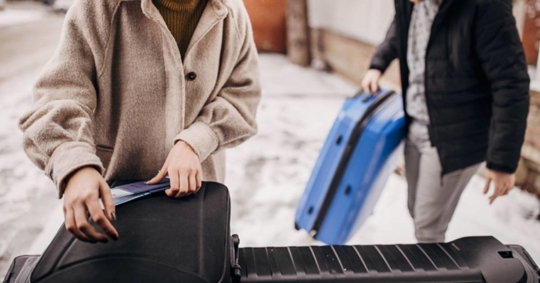
Winter getaways are a wonderful way to escape the Texas cold and recharge with family and friends. Whether you traveled to a cozy cabin in the mountains, a bustling city, or a sunny beach destination, the last thing you want to bring home with you is bed bugs. These tiny pests are expert hitchhikers that can hide in your luggage, clothing, and personal belongings, making their way into your Austin home before you even realize they're there.
Think you might have brought bed bugs home from your trip? Don't wait for an infestation to spread. Contact A-Tex Pest Management today through our online contact form or call (512) 714-3383 for fast, effective solutions.
Understanding the Winter Travel and Bed Bug Connection
Many people assume bed bugs are only a concern during summer travel, but winter vacations present just as much risk. Hotels, vacation rentals, airports, and public transportation all see heavy use during the holiday season, creating plenty of opportunities for bed bugs to move from one location to another. These pests don't hibernate or disappear in cold weather. They simply seek warm environments, which is exactly what heated homes, hotels, and luggage provide during the winter months.
Bed bugs are small, reddish-brown insects about the size of an apple seed that feed on human blood, typically while people sleep. They can survive for months without feeding and are incredibly resilient, making them difficult to eliminate once they establish themselves in your home. The key to avoiding a costly and stressful infestation is prevention, starting the moment you return from your winter vacation.
Inspect Your Luggage Before Bringing It Inside
Your suitcase is the most common way bed bugs enter your home after travel. Before you carry your luggage through your front door, take a few minutes to inspect it carefully in a well-lit area outside or in your garage. Here's what to look for:
- Live bugs: Adult bed bugs are visible to the naked eye and move slowly across surfaces
- Dark spots: Small black or brown stains on fabric are often bed bug droppings
- Shed skins: As bed bugs grow, they molt and leave behind translucent shell casings
- Eggs: Tiny white or pale yellow eggs, about the size of a pinhead, may be stuck to fabric or hiding in seams
Pay special attention to seams, zippers, pockets, and the corners of your luggage where bed bugs prefer to hide. If you spot any signs of bed bugs, keep the luggage outside and take immediate action to treat or dispose of affected items. Even if you don't see obvious signs, it's worth being cautious with your next steps.
Treat Your Clothing and Belongings Immediately
Once you've inspected your luggage, the next step is to treat everything that was in contact with hotel beds, furniture, or other potentially infested areas. Don't let your suitcase sit in your bedroom or unpack items directly into your closet and drawers. Follow these steps to minimize risk:
- Take all clothing directly from your suitcase to the washing machine without setting items down on beds or furniture
- Wash everything in the hottest water the fabric can safely handle, checking care labels first
- Dry items on the highest heat setting for at least 30 minutes, as heat is one of the most effective ways to kill bed bugs at all life stages
- Place items that cannot be washed, such as shoes or accessories, in a sealed plastic bag and leave them in a hot car or garage for several days if temperatures allow
- Vacuum your empty suitcase thoroughly, paying attention to seams, pockets, and wheels, then immediately dispose of the vacuum bag in an outdoor trash bin
For delicate items or things you're unsure how to treat, consider placing them in a plastic bag and leaving them sealed for several weeks. Bed bugs can survive without feeding for extended periods, but isolating items prevents them from spreading while you determine the best cleaning approach.
Clean and Store Your Luggage Properly
Your suitcase itself needs attention after your trip, not just the items inside it. Even hard-shell luggage can harbor bed bugs in wheels, handles, and seams. After emptying and vacuuming your luggage, wipe down all surfaces with a damp cloth or disinfectant. For soft-sided luggage, consider using a steam cleaner if you have one available, as the high temperature can kill any remaining pests.
Once your luggage is clean and dry, store it properly to prevent future problems. Don't keep suitcases under beds, in closets near clothing, or in other areas where bed bugs could easily spread if any survived your cleaning efforts. Instead, store luggage in a garage, attic, basement, or other area away from your living spaces. Placing luggage in sealed plastic bags or containers adds another layer of protection.
Inspect Your Home for Signs of Bed Bugs
Even if you took all the right precautions, it's worth doing a quick check of your bedroom and other sleeping areas in the weeks following your trip. Early detection makes a significant difference in how quickly and easily an infestation can be addressed. Most homeowners who catch bed bugs early can avoid the expense and disruption of treating an entire home. Check these common hiding spots:
- Mattress seams, tags, and the box spring
- Bed frame joints and headboard crevices
- Nightstand drawers and the backs of picture frames near the bed
- Baseboards, electrical outlets, and carpet edges along walls
- Upholstered furniture, especially in seams and under cushions
Look for the same signs you checked for in your luggage: live bugs, dark staining, shed skins, and eggs. You might also notice small red or rust-colored spots on your sheets from crushed bed bugs. If you wake up with small, itchy bites in a line or cluster pattern, this could also indicate bed bug activity, though bites alone aren't definitive proof since people react differently to bites.
What to Do If You Find Bed Bugs
Discovering bed bugs in your home can be alarming, but quick action helps contain the problem. Avoid moving items from the affected room to other parts of your house, as this can spread the infestation. Don't try to treat the problem with store-bought sprays or foggers, which often push bed bugs deeper into hiding without eliminating them and can make professional treatment more difficult.
Professional residential pest control is the most effective way to eliminate bed bugs completely. Trained technicians have access to specialized equipment and treatment methods that target bed bugs at all life stages, including eggs that are resistant to many DIY approaches. When you work with experienced professionals, you can have confidence that the treatment will be thorough and effective.
Prevention Tips for Future Travel
Now that you've successfully navigated the post-vacation inspection process, keep these prevention strategies in mind for your next trip. When you arrive at a hotel or vacation rental, inspect the sleeping area before unpacking. Pull back the sheets and check the mattress seams and headboard. Keep your luggage on a luggage rack or in the bathroom rather than on the bed or floor. Use plastic bags to separate dirty laundry from clean clothes in your suitcase.
These simple habits take only a few minutes but can save you significant time, money, and stress down the road. Being proactive about bed bug prevention is always easier than dealing with an infestation after it starts.
Protect Your Austin Home from Bed Bugs
Don't let bed bugs ruin the relaxing memories of your winter vacation. If you're concerned about bringing these pests home or have already spotted warning signs, A-Tex Pest Management is here to help Austin homeowners address bed bug problems quickly and effectively. Our team understands the urgency of bed bug situations and can provide the thorough inspection and treatment your home needs.
Reach out through our online contact form or call (512) 714-3383 to schedule a consultation and protect your home.