
Once the first cold front hits in late September, the pests in your yard feel it. Fall pest control in Austin matters because cooler nights send rodents, ants, and spiders hunting for a warm, dry place to wait out the season, and your house is one of the easiest places to find it.
Most of what draws pests indoors comes down to a handful of gaps, cracks, and habits you can fix yourself. When DIY isn't enough, A-Tex Pest Management can close the rest.
Notice signs of fall pests moving in? Call (512) 714-3383 or request a free estimate online to schedule a fall pest inspection in Austin and Round Rock.
Why Fall Triggers a Pest Invasion
Fall doesn't bring a hard winter here, but it doesn't need to. Once nighttime temperatures drop, insects and rodents that spent the summer outdoors lose their outdoor food and water sources, and their bodies start pushing them toward shelter. That combination, less to eat outside and a growing need for warmth, is what sends pests toward your foundation, attic, and kitchen instead of the yard.
The Big Three Fall Pests to Watch For
Three pests account for most of the fall calls we get from homeowners this time of year.
Each one moves indoors for a different reason, and each one leaves its own trail:
- Rodents – Roof rats and mice can squeeze through a gap as small as a quarter inch, and mature tree canopy gives roof rats an easy path to your roofline. Droppings in the pantry, scratching in the ceiling at night, and gnaw marks on baseboards are signs our technicians check for in attics and wall voids.
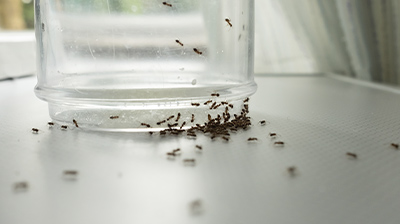
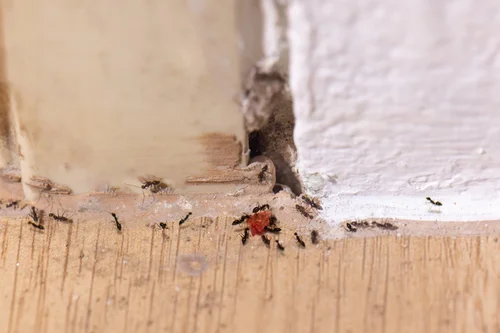
- Ants – Fire ants build mounds outdoors after fall rains, but odorous house ants and others head straight for kitchen and bathroom moisture once outdoor sources dry up. A trail along the counter or near a sink means a colony already has a foothold, so our technicians trace it back to the entry point instead of just treating what's visible.
- Spiders – Wolf spiders, black widows, and brown recluses come inside following the smaller insects that got in first, so cobwebs in garage corners or along baseboards are usually the first sign, and treating the insects spiders is just as important as treating the spiders themselves.
How Pests Are Getting into Your House
Homes built with brick or stone siding typically have weep holes, small gaps left along the base of the wall for drainage, and pests treat them like an open door. Worn door sweeps, unsealed gaps where utility lines enter the house, and loose flashing along the roofline round out the usual entry points. None of these gaps were built to let pests in, but none were sealed with pests in mind either.
Your Fall Pest Prevention Checklist
If you've noticed cooler nights already, pests have too, and they're testing the gaps below.
A little maintenance now heads off most of what would otherwise turn into an indoor problem by November:
- Seal gaps and weep holes – Pack steel wool into pipe and wire penetrations, then caulk over it, and fit weep holes with copper mesh covers that block pests without blocking airflow.
- Check doors and windows – Replace worn weatherstripping and add a heavy-duty door sweep to exterior and garage doors.
- Cut back vegetation – Trim branches and shrubs at least two to three feet from the roofline and siding so pests lose their path from the tree line to the house.
- Move the firewood – Keep stacked firewood at least 20 feet from the house and off the ground.
- Clean up food and water sources – Store pantry goods in airtight containers and fix leaky under-sink pipes as soon as you spot them.
Work through this list before the next cold front, and you'll close off most of what draws pests inside in the first place.
When DIY Isn't Enough
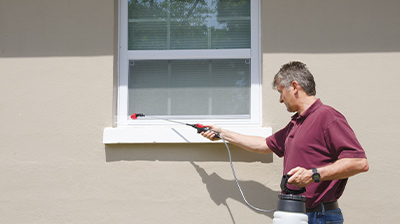
DIY sealing handles the gaps. It doesn't handle a colony already living in your attic or a brown recluse nest you can't safely reach. That's when our technicians start with an initial treatment that flushes out existing pests, eggs, and nests, then treat the perimeter with the least toxic product for the job.
We've run that process since 2002, backed by more than 20 years of combined experience, and we don’t require a contract, so you choose quarterly, annual, or as-needed service.
Fall pest prevention comes down to a mix of what you handle yourself and what a trained team catches before it spreads. A free inspection from A-Tex Pest Management tells you whether you're dealing with a few strays or a problem that's already inside.
Call (512) 714-3383 or request a free estimate online to schedule your fall pest assessment.